

Mawkhanu Football Stadium Project Advances as Meghalaya Strengthens Sports Infrastructure Vision.
Meghalaya’s proposed 40,000-seat Mawkhanu Football Stadium near Shillong advances in 2026, marking a major step in sports infrastructure development.
 News Daily
Shillong, March 4, 2026
The proposed Mawkhanu Football Stadium project in Meghalaya continues to progress through planning and preparatory stages as the state government pushes forward with its ambitious sports infrastructure roadmap. Envisioned as a 40,000-seat, modern football stadium near Mawkhanu village on the outskirts of Shillong in East Khasi Hills district, the project represents one of the largest sporting infrastructure initiatives ever planned in the state.
As of early March 2026, officials have confirmed that administrative procedures, land-related processes, and preliminary development planning are ongoing. While full-scale construction has yet to begin, the project remains firmly on the state’s development agenda.
A Landmark Proposal for Meghalaya.
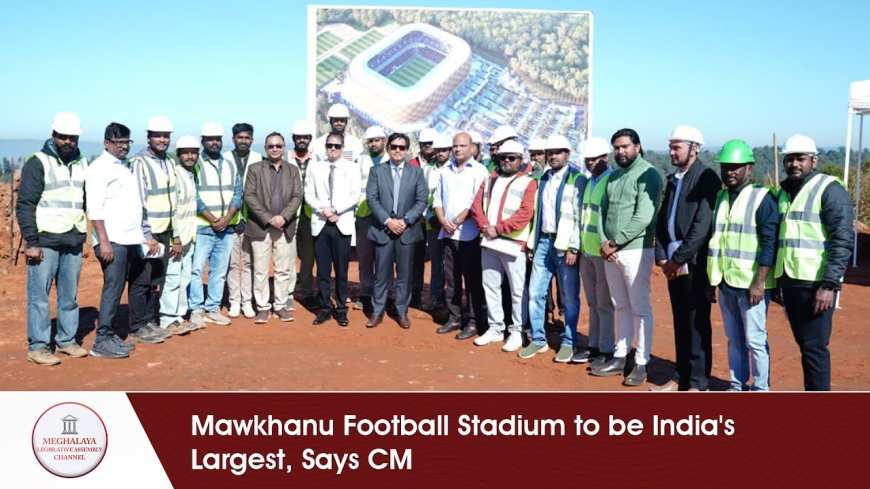
Football has long been an integral part of Meghalaya’s identity. Shillong, widely known for its passionate football culture, has produced numerous national-level players and competitive clubs. However, despite its reputation, the state currently lacks a large-capacity stadium capable of hosting major national tournaments or international fixtures.
The proposed Mawkhanu Football Stadium aims to bridge that gap.
Situated a few kilometres from central Shillong, the site at Mawkhanu was identified to provide adequate space for a large-scale sports complex while remaining accessible from the state capital. The project envisions a stadium with international-standard facilities, improved spectator capacity, athlete training infrastructure, and supporting amenities.
Officials have indicated that the development could eventually allow Meghalaya to host high-profile football tournaments and potentially other sporting events.
Preparatory Work and Administrative Progress.
According to sources in the Sports and Youth Affairs Department, groundwork related to land and regulatory clearances remains a key focus.
In East Khasi Hills district, land tenure systems often involve traditional and community-based ownership structures. As a result, consultations with local stakeholders form a necessary part of the planning process. Authorities have stated that discussions with relevant land authorities and community representatives are ongoing to ensure procedural compliance and transparency.
Infrastructure planning considerations include:
- Road connectivity between Shillong and Mawkhanu
- Drainage systems suitable for Meghalaya’s high rainfall patterns
- Environmental impact assessments
- Utility planning, including water and electricity supply
While no official groundbreaking date has been announced, government officials have reiterated that the project remains a priority within Meghalaya’s infrastructure framework.
Government’s Sports Development Strategy.
The Mawkhanu project aligns with Meghalaya’s broader sports development goals.
Chief Minister Conrad K. Sangma has previously emphasized the role of sports in youth empowerment and socio-economic development. The state government has consistently highlighted sports infrastructure as a pillar of its long-term development agenda, particularly given Meghalaya’s strong grassroots sporting culture.
Officials argue that the proposed stadium could:
- Provide improved training facilities for local athletes
- Create employment during construction and operations
- Boost sports tourism in Shillong
- Increase Meghalaya’s national visibility
The government has also indicated that strengthening sports infrastructure can complement other development initiatives in urban planning and tourism promotion.
Public Reaction and Youth Expectations.
Among residents of Shillong and surrounding areas, the proposed stadium continues to generate significant interest.
Young footballers in Meghalaya view the project as a potential turning point. Currently, the Jawaharlal Nehru Stadium at Polo Ground serves as the primary venue for major matches, but its capacity and facilities are limited compared to modern national stadiums.
Sports enthusiasts believe a 40,000-seat stadium would provide:
- Greater opportunities for hosting national competitions
- Improved facilities for aspiring players
- Enhanced exposure for Meghalaya’s football talent
At the same time, some residents have raised practical questions about traffic management, environmental safeguards, and fiscal prioritization. Large infrastructure projects in Shillong often prompt discussions about balancing development with ecological sustainability.
Economic and Urban Implications.
If completed as envisioned, the Mawkhanu Football Stadium could influence both Shillong’s urban growth and Meghalaya’s broader economy.
Economic Impact
Large stadium projects typically generate economic activity across several sectors. Construction would likely create direct employment, while ongoing operations could support jobs in event management, hospitality, and local services.
Hosting major sporting events may also attract visitors from across India and neighbouring states, potentially boosting hotels, restaurants, and transportation services in Shillong.
However, analysts note that the long-term economic viability of large stadiums depends on sustained event scheduling and effective operational management.
Urban Development
The Mawkhanu area may see improvements in:
- Road infrastructure
- Public transport planning
- Parking and crowd management systems
- Supporting commercial establishments
Urban planners stress that coordinated planning will be necessary to ensure that development does not strain Shillong’s already sensitive traffic conditions.
Environmental and Community Considerations.
Environmental oversight remains an important component of the planning process.
East Khasi Hills is characterized by heavy rainfall, hilly terrain, and ecological sensitivity. Authorities have indicated that environmental assessments are part of the preparatory phase to minimize disruption.
Community engagement is also essential. Traditional governance systems in Khasi Hills often play a role in land-related decisions, and state officials have acknowledged the importance of maintaining dialogue with local stakeholders.
Balancing infrastructure growth with environmental responsibility will likely remain a central focus as the project progresses.
Part of a Larger Sports Infrastructure Push.
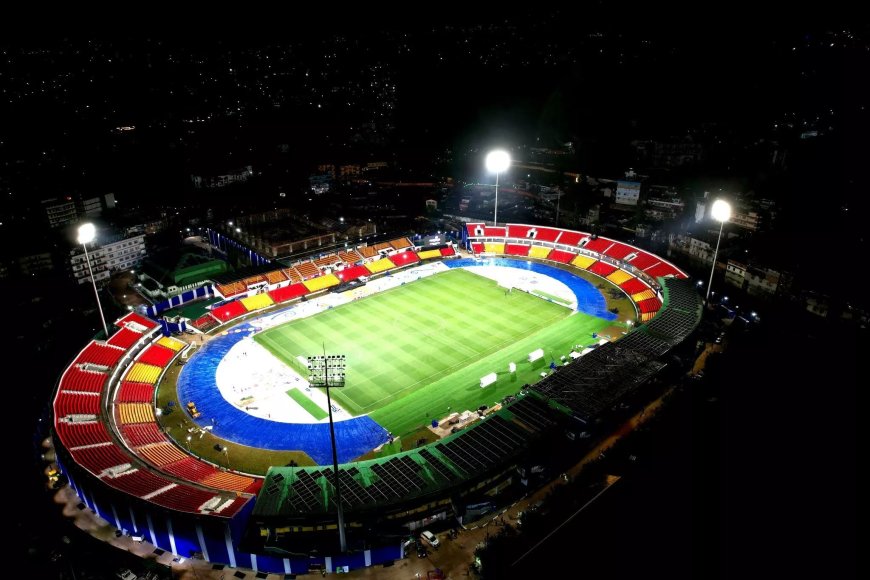
The Mawkhanu stadium is one of several initiatives aimed at strengthening sports infrastructure in Meghalaya.
In recent years, the state has supported:
- Grassroots football tournaments
- Youth sports development programs
- Participation in national-level competitions
- Infrastructure upgrades in select districts
Shillong’s reputation as a football-centric city has gained national recognition, and the government appears intent on building facilities that reflect that identity.
The proposed stadium is widely viewed as the flagship symbol of this broader sports vision.
What Lies Ahead
As of March 2026, key next steps for the project include:
- Finalization of land and regulatory approvals
- Budgetary allocations in upcoming financial plans
- Detailed architectural and engineering planning
- Clarification of phased construction timelines
Officials have not publicly committed to a specific construction start date. Observers suggest that once formal clearances and funding structures are finalized, the project could move into an implementation phase.
Given the scale and cost typically associated with stadium projects of this magnitude, execution may occur in stages.