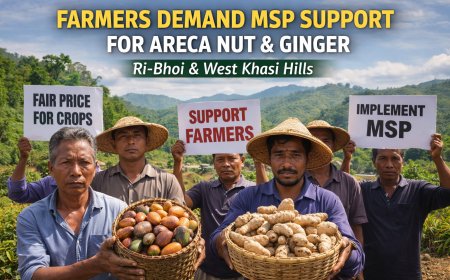

Meghalaya Positions Itself as India’s Emerging Organic Spice Hub at Mumbai Showcase.
Meghalaya showcases Lakadong turmeric, ginger and pepper at Mumbai Spice Festival 2026, strengthening its position in India’s organic spice market.
 News Daily

Shillong | March 4, 2026
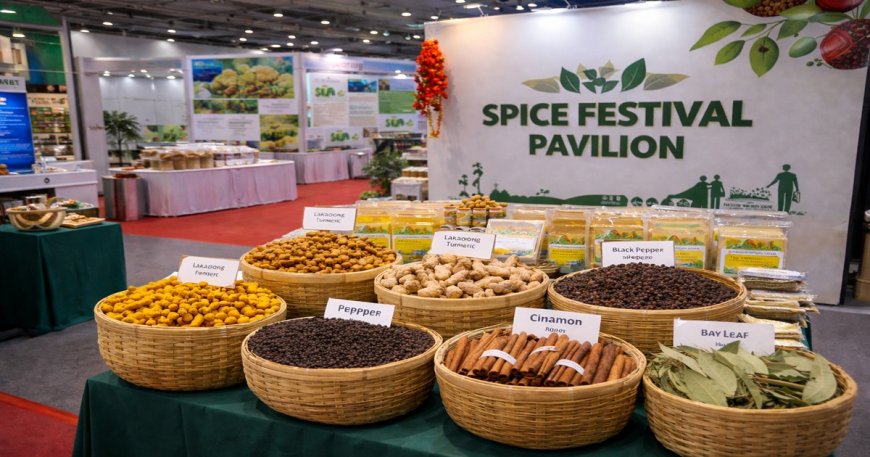
Meghalaya has taken a significant step in expanding its agricultural footprint beyond the Northeast by showcasing its organic spice economy at the first-ever Meghalaya Spice Festival held in Mumbai this week. The outreach event brought together farmers’ collectives, exporters, food processors, policymakers and retail chains, underlining the state’s ambition to become a recognised hub for high-value organic spices in India.
Organised by the Meghalaya Department of Agriculture and Farmers’ Welfare along with state marketing agencies, the festival aimed to create direct market linkages between producers from districts such as West Jaintia Hills, Ri-Bhoi, East Khasi Hills and West Garo Hills and bulk buyers in metropolitan markets.
Officials described the initiative as a strategic move to strengthen value chains, improve price realisation for farmers and expand export opportunities for the state’s organically grown spices.
Lakadong Turmeric and Ginger Take Centre Stage
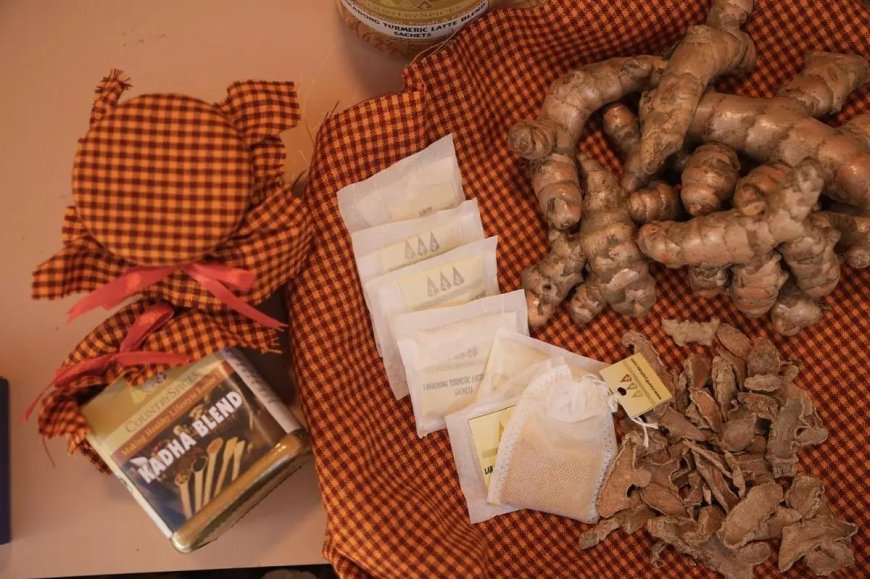
Among the products highlighted at the Mumbai event was Lakadong turmeric from West Jaintia Hills, widely recognised for its high curcumin content and vibrant colour. Farmer-producer organisations displayed dried rhizomes, processed powder and packaged variants aimed at retail and bulk markets.
Organic ginger from Ri-Bhoi district and black pepper cultivated in parts of South Garo Hills and East Khasi Hills were also presented to buyers. These crops have steadily gained attention in national markets due to growing consumer demand for organic and traceable produce.
Officials said the state has been promoting cluster-based cultivation and supporting farmer groups with training, organic certification assistance and post-harvest management practices.
“Our focus is not only on increasing production but on strengthening processing, branding and market connectivity,” a senior agriculture official said during interactions with industry representatives. “Direct engagement with buyers is critical to ensuring better returns for farmers in Meghalaya.”
Market Access Beyond the Northeast
The decision to host the festival in Mumbai was described as a deliberate effort to connect Meghalaya’s producers with India’s financial and export capital. Mumbai is home to major import-export houses, retail chains and food processing companies, offering access to large-scale procurement networks.
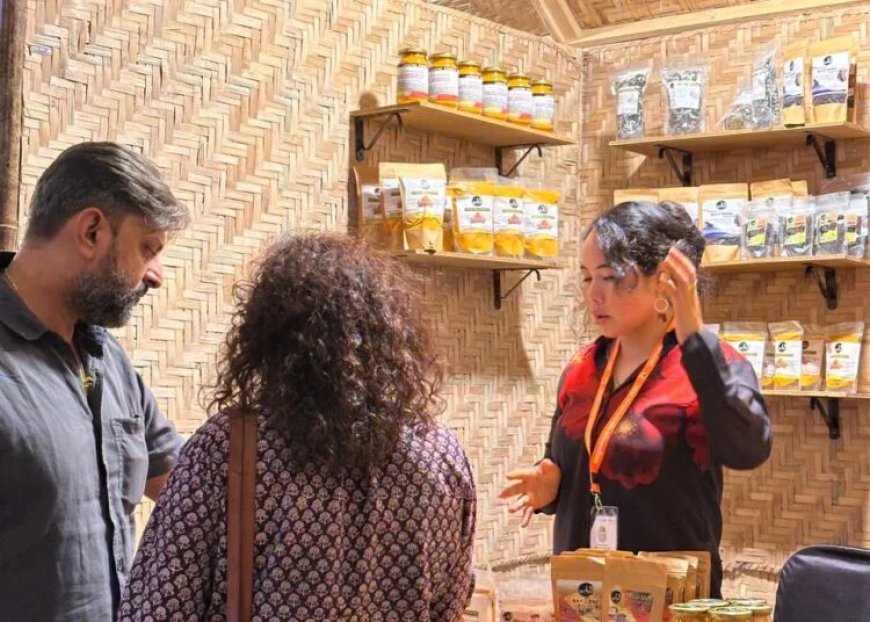
Business-to-business meetings were held during the two-day event, where farmer representatives and exporters discussed supply volumes, quality standards and packaging requirements.
Industry participants noted that while Meghalaya’s spices are competitive in quality, scaling up consistent supply and strengthening logistics remain important factors for long-term market penetration.
“Demand for organic products is growing across urban India,” said a representative from a Mumbai-based food distribution company. “States like Meghalaya have strong potential, especially in niche segments like high-curcumin turmeric.”
Organic Agriculture Policy Push
Meghalaya has long promoted organic and natural farming, citing traditional agricultural practices and low chemical usage as key advantages. Over the past decade, the state government has introduced schemes to support organic certification, farmer training and the formation of farmer-producer organisations (FPOs).
Officials estimate that thousands of farmers across the Khasi, Jaintia and Garo Hills are engaged in spice cultivation. Lakadong turmeric, in particular, has emerged as a flagship product due to its established brand recognition.
The state has also invested in processing units, grading centres and packaging facilities aimed at reducing post-harvest losses and improving product standardisation.
Agricultural experts say value-added crops such as spices offer higher income potential compared to traditional subsistence farming, especially in hilly terrain where large-scale mechanised agriculture is limited.
Economic Impact for Rural Communities
Spice cultivation plays a growing role in rural livelihoods in Meghalaya. Farmers from West Jaintia Hills and Ri-Bhoi who participated in the Mumbai exhibition said improved market linkages could significantly boost income stability.
“Access to larger markets gives us confidence to expand cultivation,” said a farmer representative attending the event. “We want consistent procurement and transparent pricing mechanisms.”
Government officials indicated that strengthening the spice value chain could generate employment opportunities not only in cultivation but also in processing, packaging and transportation.
Given that agriculture remains a major source of livelihood in rural Meghalaya, the success of such initiatives could have broader socio-economic implications for districts such as North Garo Hills, South West Khasi Hills and East Khasi Hills.
Infrastructure and Logistics Considerations
Despite growing demand, officials acknowledged challenges related to transportation and infrastructure. Meghalaya’s terrain and limited storage facilities in certain areas can affect supply consistency.
The government has stated that improvements in rural road connectivity and warehousing infrastructure are being aligned with agricultural development strategies. Strengthening cold storage chains and establishing aggregation centres closer to production clusters are among the priorities outlined by officials.
Export-focused growth will also require compliance with international food safety standards, traceability systems and consistent packaging norms.
Industry and Expert Reactions
Agricultural economists observing the development say Meghalaya’s strategy aligns with broader national efforts to promote high-value agriculture and organic exports.
“Small states can benefit by specialising in niche crops where they have natural advantages,” said an agricultural policy expert familiar with Northeast markets. “However, sustained success depends on institutional support and stable buyer relationships.”
Export representatives attending the festival expressed interest in Meghalaya’s spice portfolio but emphasised the importance of reliable supply chains and standardised processing.
Officials said training workshops for farmer groups on quality grading, labeling and export documentation will continue through 2026.
Strengthening Branding from Shillong
While production occurs across rural districts, policy coordination and branding strategies are being overseen from Shillong. The state capital has been central to marketing campaigns promoting Meghalaya’s spices as clean, high-quality and organically grown.
Branding initiatives have increasingly highlighted geographical identity and traceability, with discussions around strengthening intellectual property protections for flagship products.
Digital platforms are also being used to connect urban consumers directly with farmer-producer organisations, helping build awareness of Meghalaya’s agricultural identity.
A Key Moment in Meghalaya’s Agricultural Transition
The Meghalaya Spice Festival outside the Northeast represents more than a promotional exercise; it signals a broader transition toward value-driven agriculture and structured market engagement.
While infrastructure and supply chain challenges remain, the initiative underscores the state’s ambition to integrate more closely with national and international markets.
As Meghalaya continues to build its organic farming credentials, the effectiveness of policy implementation, infrastructure upgrades and sustained buyer partnerships will determine whether the state can consolidate its position as a leading organic spice hub in India.
For now, the Mumbai showcase has brought renewed attention to Meghalaya’s agricultural potential—placing Lakadong turmeric, ginger and pepper from the hills firmly in the national spotlight.