
World Health Organization Issues Global Alert on Emerging Respiratory Virus Variant; South Asia Steps Up Vigilance.
The World Health Organization issued an alert regarding a new respiratory virus variant detected in multiple countries. Surveillance measures are being strengthened across South Asia.
 News Daily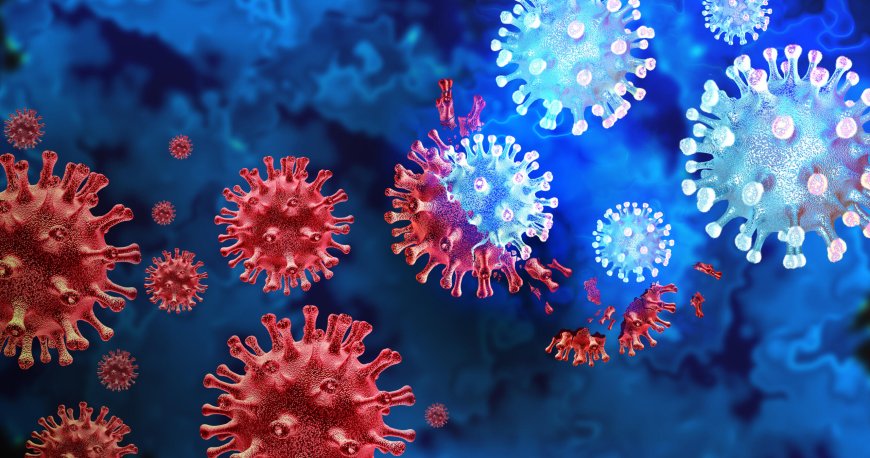
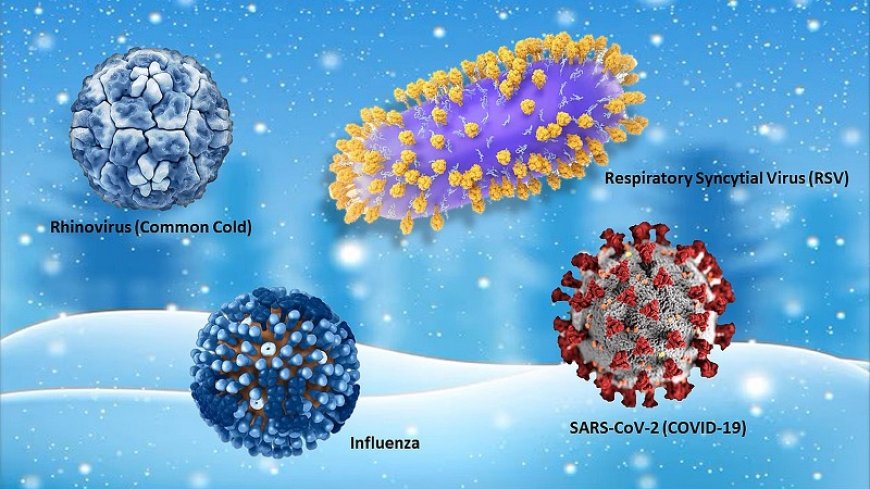
The World Health Organization (WHO) has issued a global alert after detecting a new respiratory virus variant circulating across multiple countries, triggering heightened surveillance measures in South Asia and beyond. While early assessments suggest most reported cases are mild, global health authorities are moving swiftly to monitor transmission trends, assess vaccine effectiveness, and prevent potential escalation.
The variant, identified through expanded genomic sequencing networks, has been classified as a “variant under monitoring.” This designation indicates that the strain carries mutations that may influence transmissibility or immune response, though there is currently no confirmed evidence of increased severity.
Early Findings and Scientific Assessment
According to WHO officials, the variant shows mutations in regions associated with viral binding efficiency. Laboratory studies are underway to determine whether these changes enhance spread or reduce vaccine-induced immunity.
Preliminary data indicate:
- Rapid geographic detection across multiple regions.
- No clear signal of higher hospitalization or mortality rates.
- Ongoing evaluation of breakthrough infections among vaccinated individuals.
Health experts caution that it is too early to draw firm conclusions. Epidemiological modeling and clinical data collected over the coming weeks will be critical in assessing risk levels.
South Asia Reinforces Surveillance
Governments across South Asia have responded by strengthening screening protocols and laboratory sequencing capacity. India has activated enhanced monitoring systems through its national genomic surveillance network, ensuring rapid analysis of samples from major urban centers and border states.
Airport authorities in key international hubs have increased health advisories for incoming travelers, while state governments are reviewing hospital preparedness, oxygen supplies, and ICU capacity.
For Northeast India, which shares international borders with Myanmar and Bangladesh, surveillance has intensified at border checkpoints. Health departments in Assam, Meghalaya, Manipur, Mizoram, and Arunachal Pradesh are coordinating with central agencies to ensure early detection in remote districts.
Officials emphasize that no travel bans or restrictions have been imposed at this stage, reflecting a cautious but measured approach.
Lessons from the COVID-19 Era
The global response to the new variant is shaped heavily by lessons learned during the COVID-19 pandemic, formally known as COVID-19. Health infrastructure worldwide has significantly improved since 2020, with stronger surveillance networks, stockpiled medical supplies, and clearer communication strategies.
India, in particular, expanded district-level oxygen plants, strengthened telemedicine services, and invested in digital health data systems after experiencing multiple pandemic waves. Public health experts note that this infrastructure provides a strong foundation for rapid containment efforts if required.
However, officials also recognize the challenge of public fatigue. Mask usage and precautionary practices have declined globally, and authorities are mindful of balancing preparedness with preventing unnecessary alarm.
Vaccine Effectiveness Under Review
A central question remains whether existing vaccines offer adequate protection against the new variant. WHO has confirmed that laboratory neutralization tests are being conducted to evaluate immune response.
Immunologists suggest that even if the variant partially evades antibodies, vaccines are likely to continue providing protection against severe disease. During later COVID-19 waves, vaccination significantly reduced hospitalization and death rates despite high infection counts.
Manufacturers are also analyzing the feasibility of updated booster formulations should the variant demonstrate significant immune escape characteristics.
Economic and Regional Implications
Global markets reacted cautiously to the WHO announcement, with mild fluctuations in travel and hospitality sectors. So far, there is no indication of widespread economic disruption.
For Northeast India, where supply chains often depend on long-distance transport, authorities are monitoring any potential impact on essential goods. Regional governments are keen to avoid restrictive measures that could affect small businesses and daily wage earners.
Cross-border trade under India’s Act East Policy continues uninterrupted, though additional health advisories are in place at transit points.
Clinical Symptoms and Public Guidance
Reported symptoms linked to the variant resemble typical respiratory infections:
- Fever
- Dry cough
- Fatigue
- Sore throat
- Mild breathing discomfort
Health officials stress that most cases have been manageable without hospitalization. Vulnerable groups, including the elderly and individuals with underlying conditions, are advised to stay up to date with vaccinations and seek medical consultation if symptoms persist.
Authorities recommend continued adherence to basic preventive measures:
- Frequent hand hygiene
- Mask use in crowded indoor spaces
- Self-isolation when symptomatic
- Timely medical testing
No lockdown measures are currently under consideration.
The Importance of Transparent Data Sharing
WHO has reiterated the importance of international cooperation and real-time data exchange. Rapid sequencing and transparent reporting allow scientists to detect patterns early and implement targeted responses.
South Asian countries are collaborating through regional health networks to ensure information flows efficiently. Experts emphasize that misinformation remains a major risk, and responsible communication is essential to prevent panic.
Public health messaging focuses on vigilance rather than alarm, with governments encouraging citizens to rely on verified updates.
Preparedness Without Panic
Global health leaders stress that preparedness has become a permanent feature of modern governance. The emergence of new variants is expected in a world where viruses evolve naturally.
WHO Director-General Dr. Tedros Adhanom Ghebreyesus stated during a briefing that global systems are better equipped than ever before. Investments in research, public health infrastructure, and vaccine development have strengthened the world’s capacity to respond swiftly.
The coming weeks will determine whether the variant remains a manageable development or requires escalated interventions.
Outlook
For now, health authorities advise calm vigilance. The global response reflects lessons learned from past crises: early detection, coordinated surveillance, and measured action.
While uncertainties remain, current evidence suggests that the situation is under control. Governments across South Asia, including India’s northeastern states, are prepared to adapt quickly should the risk assessment change.