






The Kima is a sacred wooden memorial post erected by the Garo people to honor deceased family members. Through the practice of Kima Songa, families place these carved or notched posts outside their homes, offering daily food and annual decorations to maintain a spiritual connection with their ancestors.
Kima: Honoring the Ancestors Through Wood
In the rich cultural tapestry of the Garo people, death is not merely an end, but a transition that requires continued respect and remembrance. Among the various traditions practiced in the Garo Hills, the erection of the Kima stands out as a poignant and intimate way to honor the departed.
Unlike the massive stone megaliths that mark the graves of the great, the Kima is a personal, wooden memorial post erected directly in front of the deceased's home. This practice, known as Kima Songa, serves as a physical anchor for the family’s grief and devotion.
The Appearance of the Kima
Visually, the Kima is distinct in its simplicity and symbolism. A traditional Kima typically consists of two wooden posts fixed firmly into the ground, standing approximately two to four feet tall.
The design of these posts varies, but they generally fall into two categories:
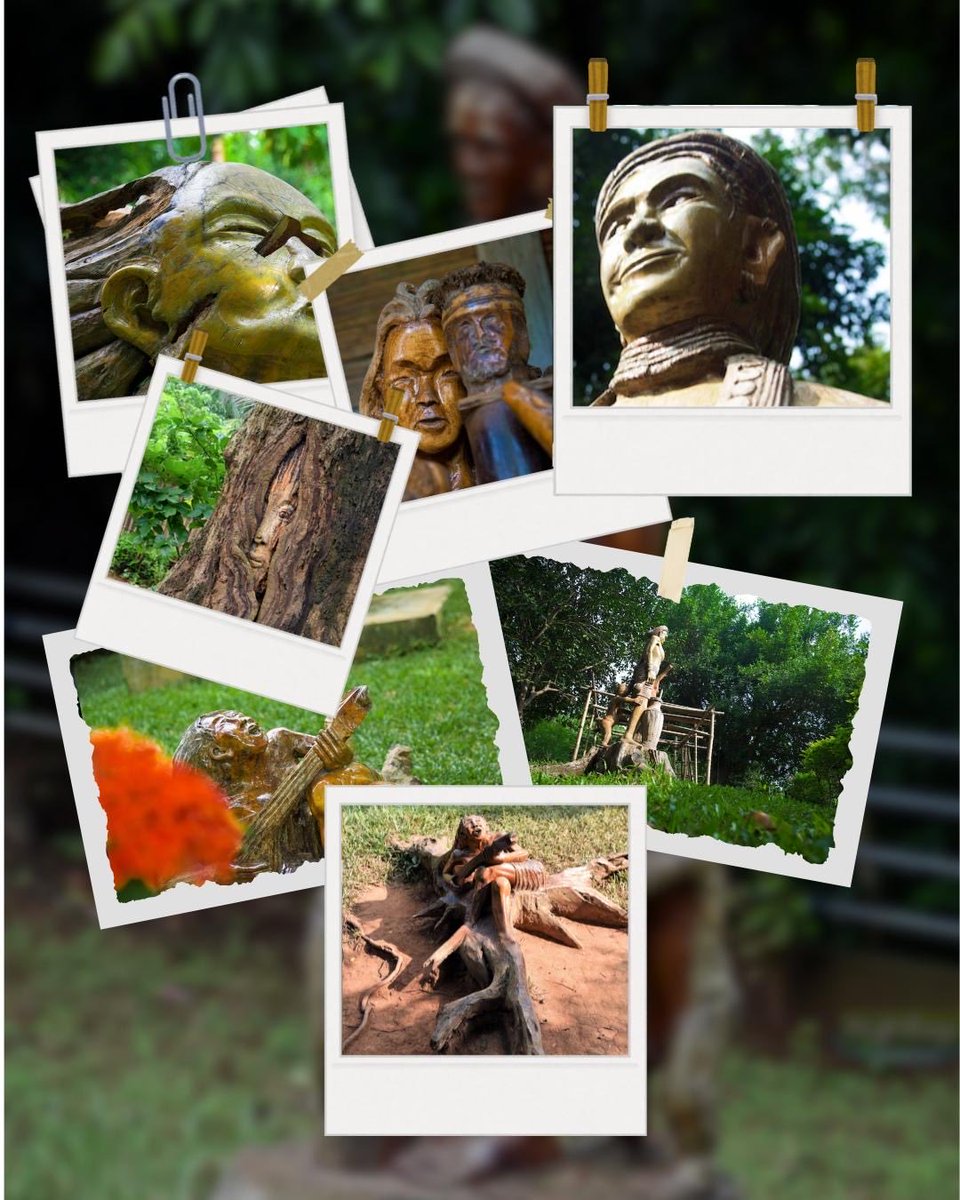
- Carved Posts: In many instances, one of the posts is carefully carved to resemble the face of the deceased person, serving as a personalized likeness.
- Notched Posts: Alternatively, and perhaps more commonly, the posts may simply be notched or left plain. The notching is not merely decorative; it serves a vital functional purpose in the death rites.
Placement and Daily Rituals
The location of the Kima is significant—it is placed in front of the deceased’s house, often sheltered under the eaves. This placement ensures the spirit remains close to the family they left behind.
The ritual care of the Kima is a daily act of love. Each night, the family offers food to the memorial post. This offering is not just for the sustenance of the spirit but is a profound act of ongoing care, ensuring the deceased is not forgotten in the bustle of daily life.
Annual Ceremonies and Symbolism
The connection deepens during annual rituals. In a display of enduring respect, the family decorates the Kima with fresh clothing and the personal belongings of the deceased. This act symbolizes that the deceased remains a vital part of the family unit, dressed and honored just as they were in life.
Perhaps the most powerful symbol associated with the Kima is found on the notched post. These notches are specifically designed to support the horns of the bull sacrificed during the cremation ceremony. By placing the horns on the post, the Kima becomes permanently linked to the funeral rites, serving as a testament to the sacrifice made to aid the deceased's journey.
A Note on Sub-Tribes
While Kima Songa is a widespread tradition, it is not universal across all Garo clans. Interestingly, this specific custom is not followed by the Ruga and Chibok sub-tribes, highlighting the diverse cultural tapestry within the Garo community itself.
Conclusion
The Kima is more than just a piece of wood; it is a bridge between the living and the dead. In a modernizing world, the practice of Kima Songa remains a beautiful reminder of the Garo people’s deep-rooted values of loyalty, memory, and reverence for their ancestors.

Post a comment