







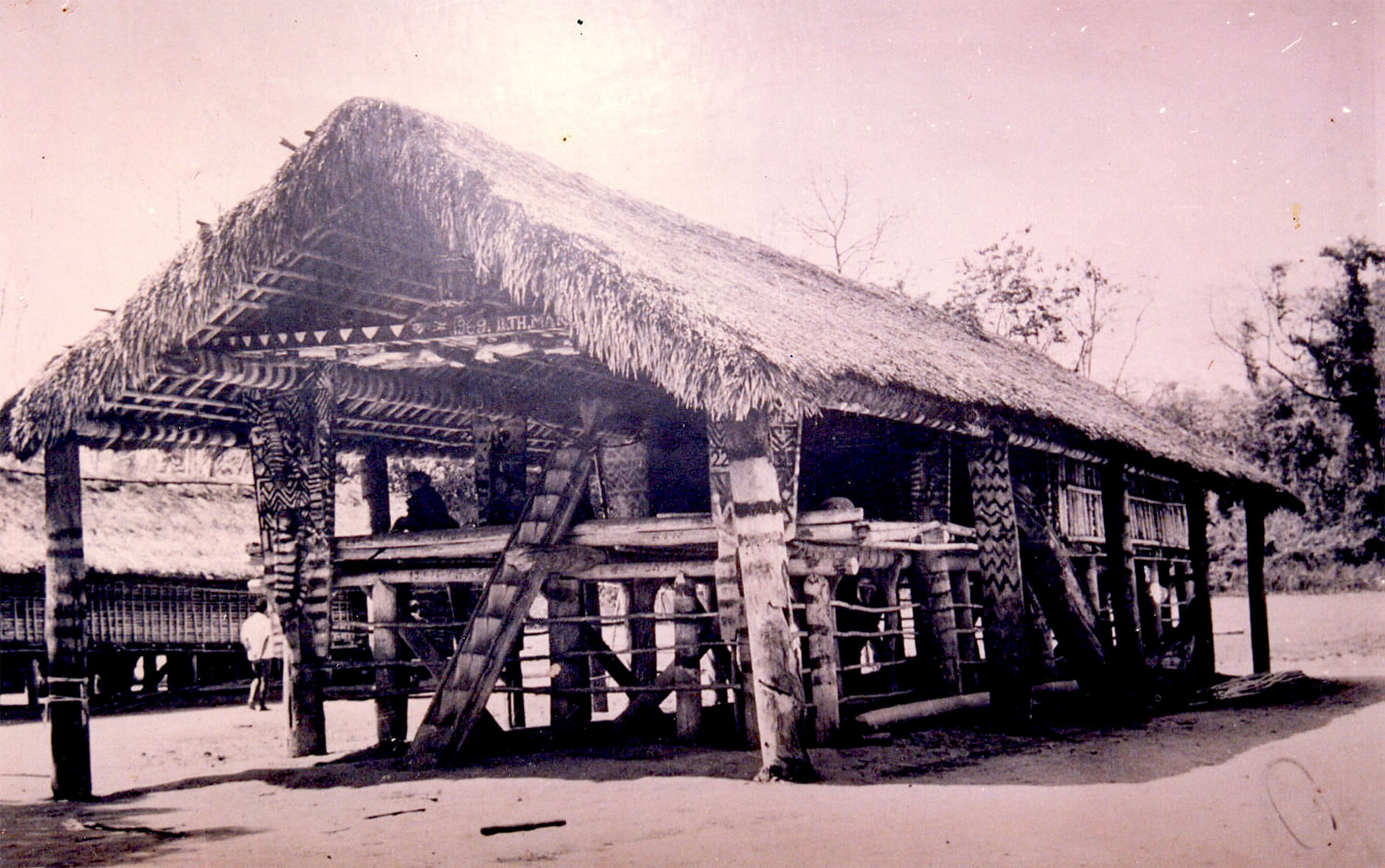
The Nokpante was not merely a shelter for young men; it was the university, the armory, and the town hall of the ancient Garo village. This article delves into the architecture, function, and cultural importance of this vanishing institution, serving as the training ground where boys transformed into men.
The Nokpante: The Ancient University of the Garo Tribe
In the lush, green hills of Meghalaya, the Garo tribe has long preserved a unique social structure. At the center of this structure, for centuries, stood a building that was more than just a place to sleep—it was the crucible of Garo manhood. This building was the Nokpante.
Literally translating to "House of Bachelors" (from Nok meaning House and Pante meaning Bachelors), the Nokpante was the social hub, the training academy, and the guardian of the village. While modernization has made these structures rare today, understanding the Nokpante is key to understanding the soul of the Garo people.
The Architecture: A Symbol of Resilience
Visually, the Nokpante was distinct from the ordinary family dwellings (Noknom). Built on raised stilts to protect against dampness and wildlife, these structures were crafted using locally available materials: timber, bamboo, and thatch.
The walls were typically made of woven bamboo mats, allowing for ventilation while providing a fortress-like appearance. The steep thatched roof was designed to handle the heavy rains of the Garo Hills. A single, notched wooden ladder often served as the only entrance, which could be pulled up at night for security.
Inside, the space was spartan. There were no comforts of a family home; instead, the floor was lined with bamboo mats for sleeping, and the walls were adorned with hunting weapons—spears, shields, and daos (machetes).
The Social Function: From Boys to Men
The primary purpose of the Nokpante was the education of the youth. Once a Garo boy reached adolescence, he would leave his parents’ house and move into the Nokpante. This transition marked his entry into the adult world.
1. The Training Ground
Life in the Nokpante was disciplined. Elders visited the dormitory daily to teach the young men (nakra) the arts of survival. This included wrestling, archery, and the intricate techniques of hunting and fishing. It was here that the oral history of the tribe was passed down through stories and songs, ensuring that the Garo identity was preserved across generations.
2. The Defense Center
In ancient times, inter-village wars and conflicts were common. The Nokpante served as the village’s barracks. The young men were the defenders of the community, always ready to pick up their weapons to protect their village from raiders or wild animals.
3. The Guest House
The Nokpante was also the center of hospitality. In Garo culture, guests were never accommodated in private homes. Instead, they were brought to the Nokpante, where the bachelors were responsible for their comfort. This practice fostered a sense of brotherhood and allowed the young men to interact with travelers, gaining knowledge of the outside world.
A Unique Cultural Dynamic
It is fascinating to note that the Garo society is matrilineal (descent is traced through the mother), yet the Nokpante was a strictly patriarchal space. While property and lineage belonged to the women, the Nokpante empowered the men with the skills and authority needed to protect and provide for that lineage.
Women, particularly the mothers of the inmates, would come to the Nokpante to bring food, but they generally did not enter the living quarters. This separation created a deep bond among the young men, who called each other "Nangpanga" (brothers of the dormitory). These bonds often lasted a lifetime, transcending blood relations.
The Decline of the Nokpante
Today, the sound of the Nokpante is fading. The spread of modern education, the influence of Christianity, and the shift towards nuclear family living have rendered the traditional dormitory system obsolete.
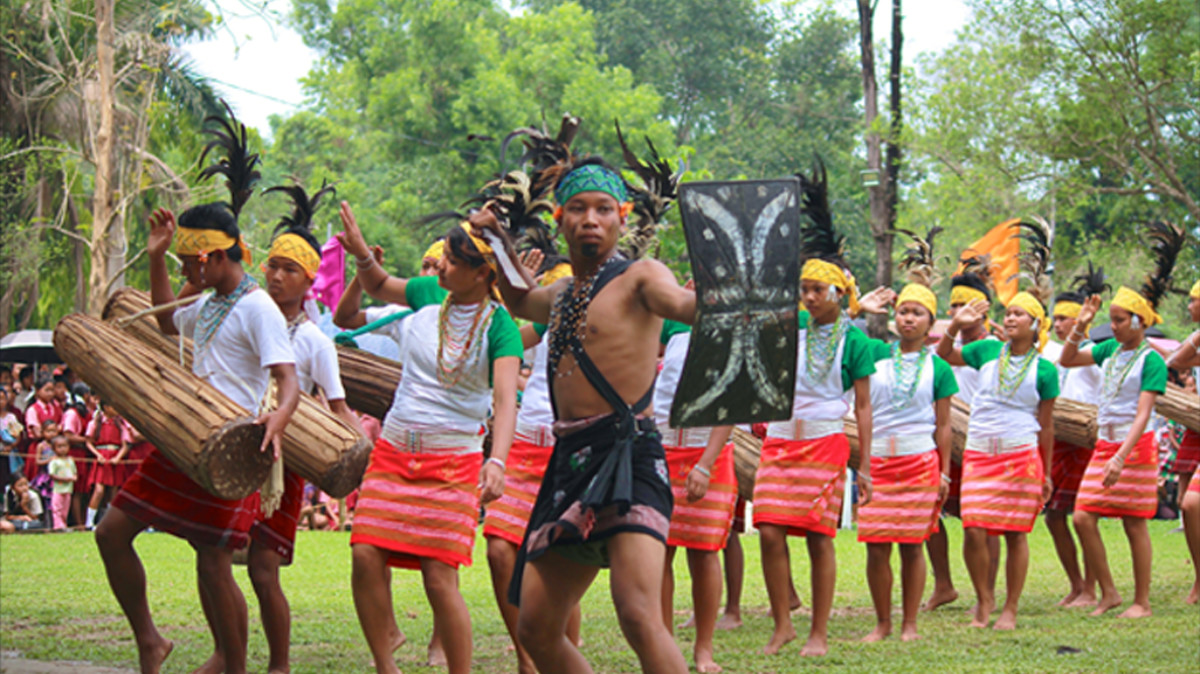
In most contemporary Garo villages, the physical Nokpante has disappeared or fallen into ruin. However, the spirit of the Nokpante survives. During major festivals like the Wangala, groups of men still dress in traditional regalia and dance together, echoing the camaraderie of the dormitory days.
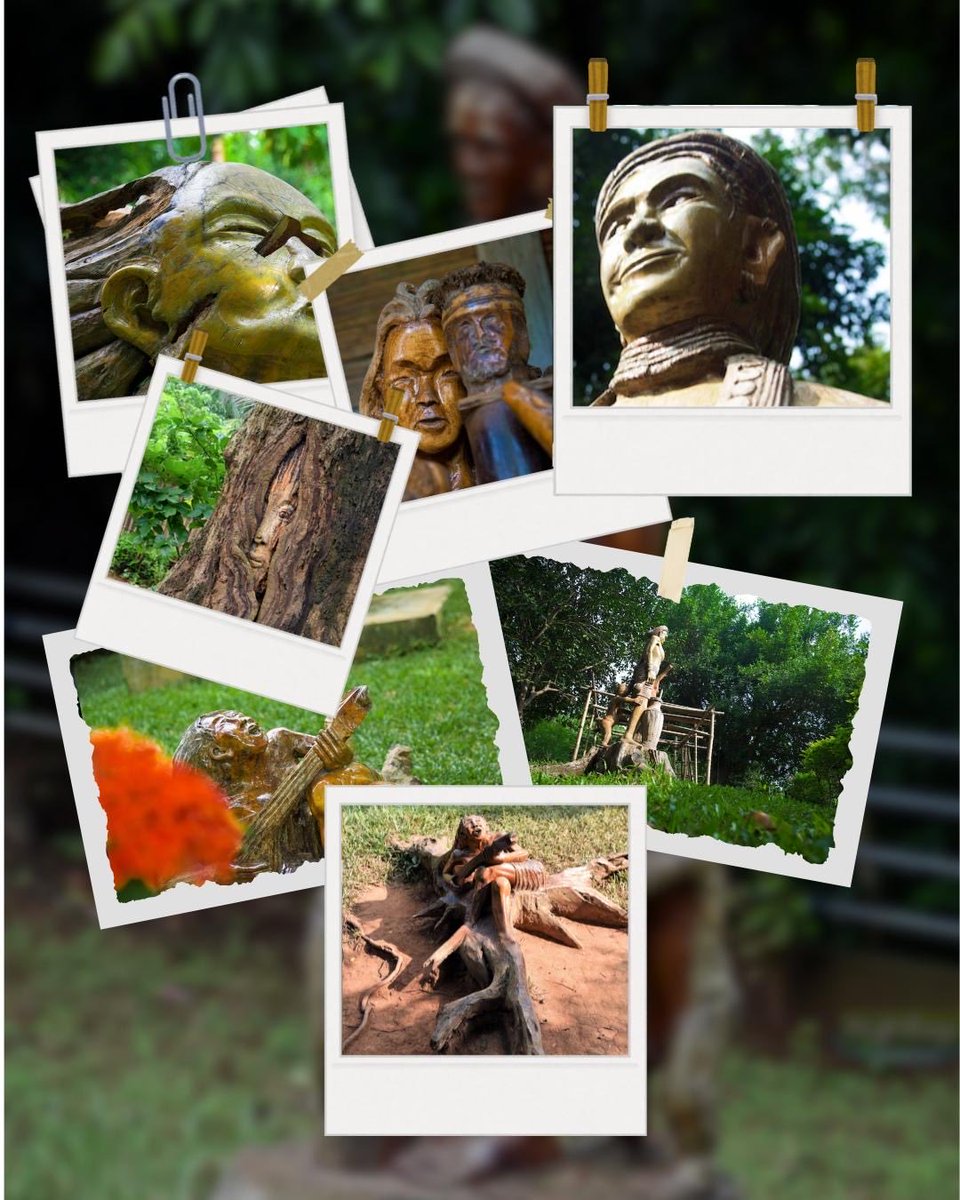
To visualize its importance, one can visit the Sasat Soa monument in Williamnagar, which was erected to preserve the memory of this great institution.

Post a comment