







Discover Shillong, the “Scotland of the East,” through its myths, colonial history, sacred hills, and timeless beauty. Explore legends, culture, and must-visit places in Meghalaya’s capital.
Nestled in the rolling hills of Meghalaya, Shillong is more than just a hill station—it is a place where history and myth intertwine like mist over pine forests. Often called the “Scotland of the East,” Shillong captivates visitors with its colonial charm, vibrant culture, and an almost mystical atmosphere that lingers in every corner.
But beyond its scenic beauty lies a deeper narrative—a city shaped by ancient Khasi beliefs, colonial encounters, and stories whispered through generations.

The Legend of U Shyllong: The Guardian Deity
The very name Shillong is believed to be derived from U Shyllong, a powerful deity revered by the Khasi people. According to legend, U Shyllong resides atop Shillong Peak, the highest point in the region.
The Khasi tribe considers this peak sacred—a place where the divine meets the earthly. Rituals were once performed here to seek protection, prosperity, and harmony.
Even today, as clouds drift across the peak and obscure the view below, locals believe it is the spirit of U Shyllong watching over the land.
Standing at Shillong Peak, one doesn’t just witness a panoramic view—one feels the presence of something ancient and powerful.
Colonial Echoes: The Making of a Hill Capital

Shillong’s modern identity began during the British colonial era in the 19th century. Drawn by its cool climate and scenic beauty, the British developed Shillong as an administrative hub.
It soon became the capital of undivided Assam, and its architecture began to reflect European influences—bungalows with sloping roofs, charming churches, and neatly planned roads.
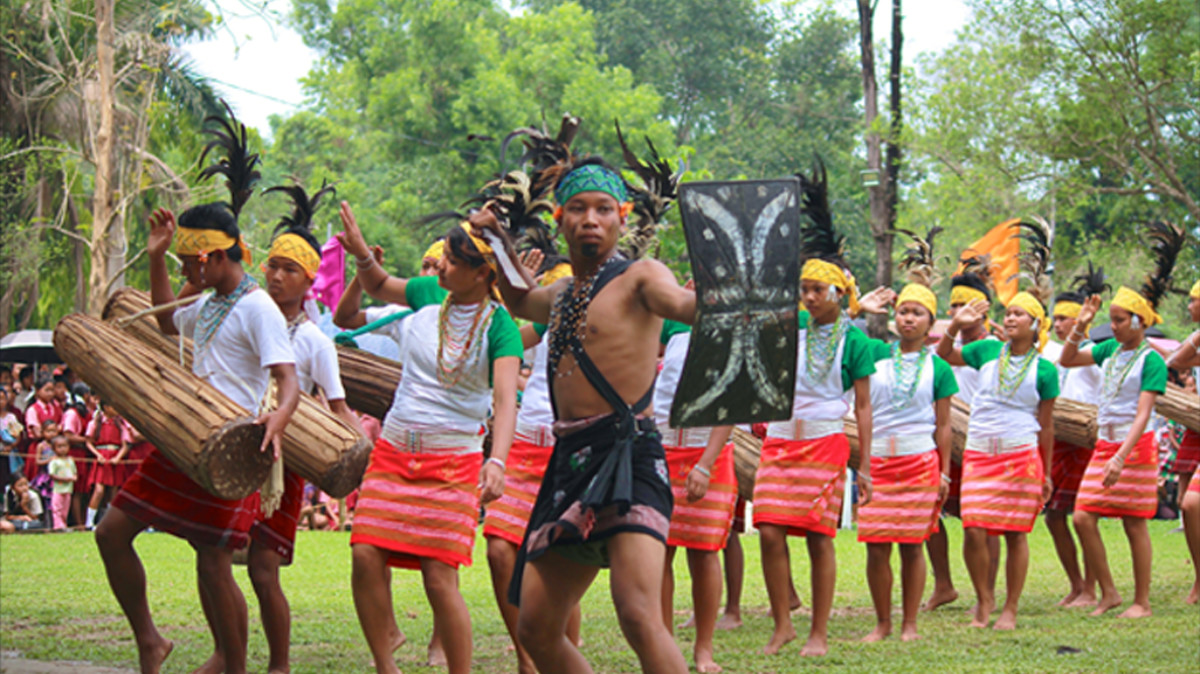
Yet, unlike many colonial towns, Shillong retained its indigenous soul. Khasi traditions continued to thrive alongside colonial modernity, creating a unique cultural blend that defines the city even today.
Walking through Shillong feels like stepping into a living museum—where every street corner holds a fragment of history.
Ward’s Lake: A Mirror of Time
In the heart of the city lies Ward's Lake, a serene oasis surrounded by gardens and colonial-era charm.

Built during British rule, the lake has long been a place of leisure and reflection. But beyond its calm surface lies a quiet symbolism—it represents Shillong’s ability to preserve tranquility amidst change.
Locals often say that the lake reflects not just the sky, but the soul of Shillong itself—calm, resilient, and deeply rooted in history.
Shillong: The Music Capital of India
Shillong is often called India’s rock capital—a title earned through decades of vibrant musical culture. From local bands to international influences, music flows through the city like an unending rhythm.
But this musical identity is not just modern—it is deeply connected to Khasi traditions. Folk songs, passed down through generations, tell stories of love, nature, and ancestral wisdom.
In Shillong, music is not just entertainment—it is storytelling.
And perhaps that is why the city feels alive, as if every street hums with its own melody.
Rain, Mist, and the Spirit of the Hills
Like much of Meghalaya, Shillong is embraced by rain and mist. But here, the weather feels almost poetic.
Rain does not disrupt life—it enhances it.
According to local belief, the mist that blankets Shillong is more than just a natural phenomenon. It is said to be the breath of the hills, carrying whispers of ancestors and spirits.
On quiet mornings, when fog drifts through pine trees and the city awakens slowly, Shillong feels less like a place and more like a living story.

Police Bazaar: Where Tradition Meets Modern Life
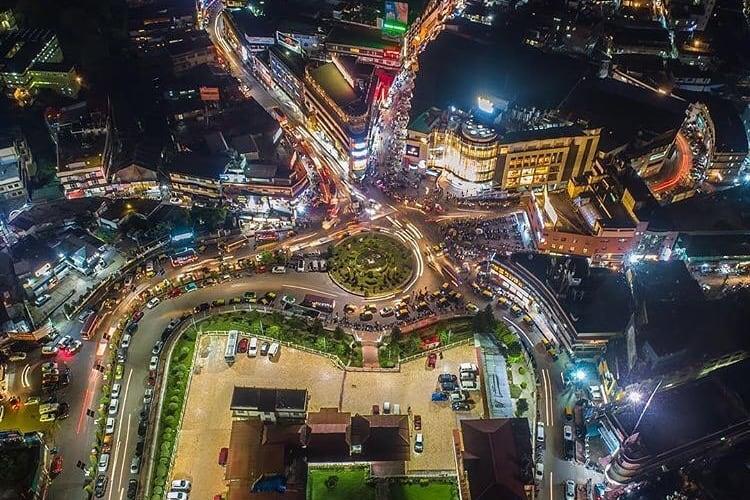
At the heart of Shillong’s bustling life lies Police Bazaar—a vibrant marketplace where tradition meets modernity.
Here, local handicrafts sit alongside contemporary fashion, and street food blends with café culture. It is a place where the old and the new coexist seamlessly.
While it may seem like just a commercial hub, Police Bazaar reflects Shillong’s evolving identity—a city rooted in tradition yet open to change.



Post a comment