


Explore how sustainable fashion is redefining luxury in 2026. Learn about eco-friendly clothing, ethical brands, and conscious living trends in India and beyond.
Luxury is no longer about logos, excess, or fast-changing trends.
In 2026, luxury has taken a quieter, more meaningful form—sustainability.
Consumers are shifting from “How does it look?” to “How was it made?”
And in that shift, sustainable fashion has emerged as one of the most powerful lifestyle movements globally and in India.
This is not just a trend—it’s a cultural reset.

What is Sustainable Fashion?
Sustainable fashion refers to clothing that is:
-
Environmentally friendly
-
Ethically produced
-
Designed for longevity
It focuses on reducing harm to the planet while ensuring fair wages and safe working conditions for artisans and workers.
Key Elements:
-
Organic or recycled fabrics
-
Low-impact dyes
-
Ethical labor practices
-
Minimal waste production
Why Sustainable Fashion is Rising in 2026
1. Climate Awareness is Driving Consumer Choices
The fashion industry is one of the largest polluters in the world.
With growing awareness around climate change, consumers are making conscious decisions:
-
Buying less
-
Choosing better quality
-
Supporting eco-friendly brands
Fashion is no longer just personal—it’s political and environmental.
2. The Rise of Conscious Consumers
Today’s consumers—especially Gen Z and millennials—care deeply about:
-
Brand transparency
-
Ethical sourcing
-
Environmental impact
They are willing to pay more for clothing that aligns with their values.
This is where luxury is being redefined—not by price, but by purpose.
3. India’s Heritage is Powering the Movement
India, especially regions like Assam and Meghalaya, has always practiced sustainable fashion—long before it became global.
-
Handwoven textiles
-
Natural dyes
-
Traditional craftsmanship
These are not just cultural assets—they are the future of global fashion.
Reviving handloom isn’t just about nostalgia—it’s about sustainability and identity.
🛍️ Slow Fashion vs Fast Fashion
| Fast Fashion | Sustainable Fashion |
|---|---|
| Cheap & mass-produced | High-quality & ethical |
| Trend-driven | Timeless design |
| High environmental impact | Eco-friendly processes |
| Short lifespan | Long-lasting |
Fast fashion feeds impulse.
Sustainable fashion feeds intention.

💡 What Makes Sustainable Fashion “Luxury”?
1. Quality Over Quantity
Fewer clothes, better materials, longer lifespan.
2. Story Behind the Product
Each piece carries a narrative—of artisans, culture, and craftsmanship.
3. Exclusivity
Handmade or limited production items are naturally unique.
4. Emotional Value
You don’t just wear it—you connect with it.
Popular Sustainable Fashion Trends in 2026
♻️ Upcycled Clothing
Old garments redesigned into new fashion pieces.
🌾 Organic Fabrics
Cotton, linen, bamboo fabrics grown without harmful chemicals.

🎨 Natural Dyeing
Plant-based dyes replacing toxic chemicals.

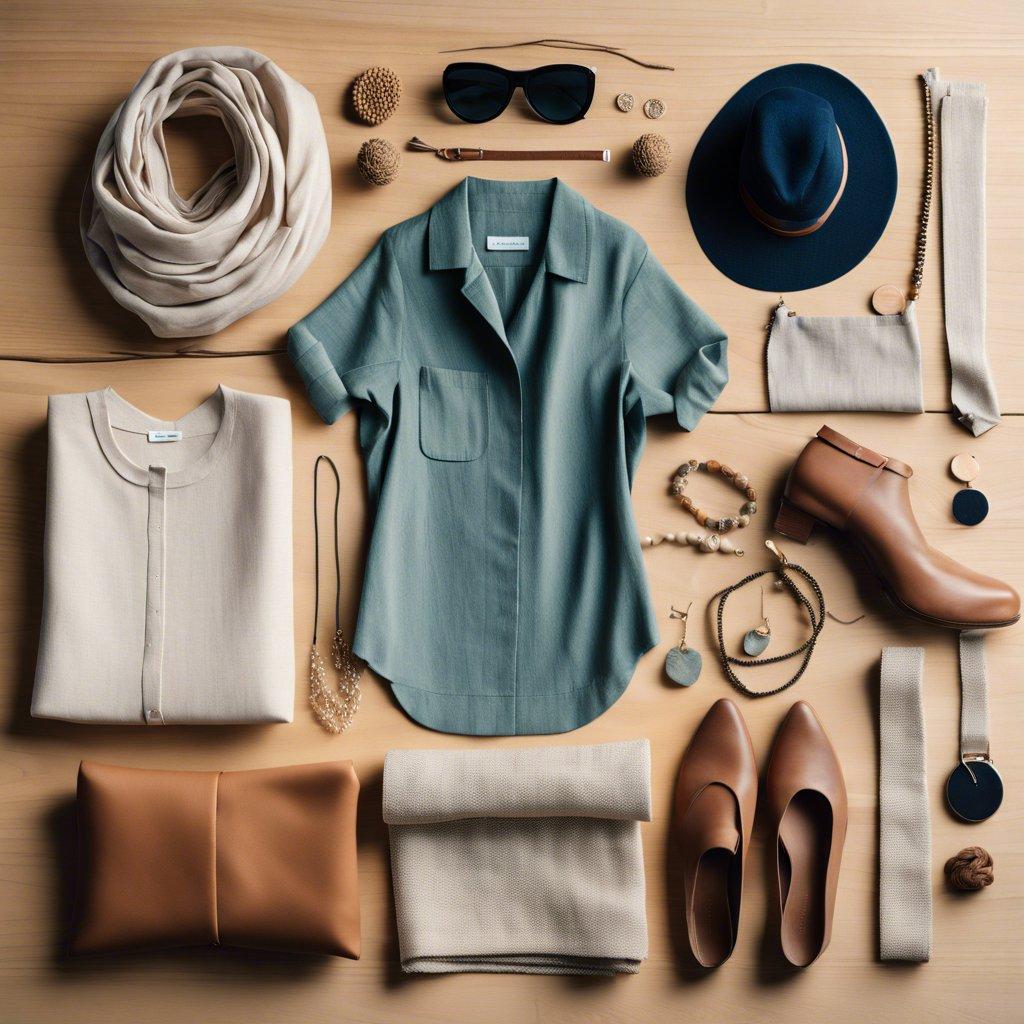
👗 Capsule Wardrobes
Minimal clothing collections focused on versatility.

🌏 Local & Handmade
Supporting regional artisans and reducing carbon footprint.

👩💼 How to Build a Sustainable Wardrobe
1. Buy Less, Choose Better
Invest in timeless pieces instead of trendy ones.
2. Support Ethical Brands
Look for transparency in sourcing and production.
3. Embrace Local Fashion
Explore handloom and artisan-made products from regions like Meghalaya.
4. Reuse & Recycle
Upcycle old clothes instead of discarding them.
5. Care for Your Clothes
Proper maintenance increases lifespan significantly.




Post a comment